Table of Contents
Digital transformation has shifted from a competitive advantage to a fundamental business requirement. As organizations expand, relying on manual processes, spreadsheets, and disconnected software tools quickly becomes unsustainable. What once worked for a small or early-stage company often turns into a major obstacle to efficiency, accuracy, and scalability. As a result, many executives and decision-makers reach a critical crossroads and ask an important question: when should a business invest in ERP, CRM, or HR systems?
The timing of this decision plays a decisive role in a company’s long-term success. Investing too early may place unnecessary pressure on financial resources and lead to underutilized technology. On the other hand, delaying the investment for too long can cause operational bottlenecks, fragmented data, and poor coordination between teams. In many cases, businesses that wait too long find themselves reacting to problems rather than proactively supporting growth.
Identifying the right moment to invest requires a clear understanding of business maturity, operational complexity, and strategic goals. Leaders must recognize the warning signs that existing processes are no longer sufficient and evaluate whether current tools can support future growth. By aligning system adoption with business readiness, organizations can maximize return on investment, improve decision-making, and reduce the risk of costly implementation failures.
Ultimately, understanding the optimal timing, key signals, and underlying business conditions is essential for transforming ERP, CRM, and HR systems from expensive software purchases into powerful enablers of sustainable growth.
Understanding ERP, CRM, and HR Systems

Before determining when a business should invest in ERP, CRM, or HR systems, it is essential to clearly understand what each platform is designed to accomplish and how it supports different areas of the organization. These systems are not just software tools; they are foundational technologies that shape how a business operates, communicates, and scales.
While ERP, CRM, and HR systems serve distinct functions, their true value emerges when they work together to create a unified, data-driven environment. PwC
Enterprise Resource Planning (ERP)
Enterprise Resource Planning (ERP) systems are built to manage and integrate a company’s core operational processes into a single, centralized platform. This typically includes finance, accounting, procurement, inventory management, supply chain operations, manufacturing, and overall business operations.
By consolidating data from multiple departments, ERP systems eliminate information silos and provide real-time visibility into organizational performance. Leaders gain access to accurate financial reports, inventory levels, and operational metrics, enabling faster and more informed decision-making. Standardized workflows within ERP systems also reduce manual errors, enforce compliance, and ensure consistency across departments.
For growing businesses, ERP systems become essential when operational complexity increases and coordination between teams becomes difficult to manage using fragmented tools.
Customer Relationship Management (CRM)
Customer Relationship Management (CRM) systems are designed to manage every stage of the customer lifecycle, from initial lead generation to long-term retention. These systems centralize customer data, track sales pipelines, manage marketing campaigns, and support customer service interactions. PwC
CRM platforms give sales and marketing teams a complete view of customer behavior, preferences, and engagement history. This visibility allows businesses to personalize communication, improve follow-up processes, and accurately forecast revenue. At the same time, customer support teams can resolve issues more efficiently by accessing a unified record of customer interactions.
As customer volumes grow and competition intensifies, CRM systems help businesses maintain strong relationships, improve conversion rates, and deliver consistent customer experiences
Human Resources (HR) Systems
Human Resources (HR) systems focus on managing the employee lifecycle and ensuring compliance with labor regulations. These platforms typically handle employee records, payroll processing, recruitment, onboarding, benefits administration, performance management, and workforce analytics.
As organizations expand, managing people through manual processes becomes increasingly complex and risky. HR systems automate administrative tasks, reduce compliance errors, and provide valuable insights into workforce performance and engagement. They also improve the employee experience by enabling self-service access to personal information, leave requests, and performance feedback.
For businesses facing rapid hiring, regulatory requirements, or workforce management challenges, HR systems play a critical role in supporting both operational efficiency and employee satisfaction. PwC
A Unified Digital Foundation
While ERP, CRM, and HR systems address different functional areas, they are most powerful when implemented as part of a connected digital ecosystem. Together, they create a single source of truth for financial data, customer information, and employee records.
This integration forms the digital backbone of a scalable organization, enabling smoother collaboration, better strategic planning, and sustainable long-term growth. Understanding the purpose and value of each system is a crucial step in deciding the right time and approach for investment.
👉Learn more : ERP, CRM, HR: How Business Systems Should Work Together
Why Timing Matters When Investing in Business Systems

The real strategic challenge is no longer determining whether digital business systems deliver value, but identifying when a business should invest in ERP, CRM, or HR systems. Timing plays a critical role in determining whether these platforms become powerful enablers of growth or costly burdens that fail to deliver their promised benefits.
When systems are implemented at the right stage of business maturity, they align naturally with existing processes and future objectives. When introduced too early or too late, however, they can create friction, inefficiencies, and unnecessary expense. The timing of investment directly influences several key business outcomes. PwC
Implementation success is one of the most immediate impacts of timing. Businesses that invest when processes are already defined—but not yet overwhelmed—can configure systems more effectively and avoid excessive customization. In contrast, organizations that implement too early may lack clear workflows, while those that wait too long often struggle to untangle deeply rooted inefficiencies.
User adoption is another critical factor. Employees are more likely to embrace new ERP, CRM, or HR systems when they clearly see how the technology solves existing problems. If systems are introduced before pain points are felt, adoption tends to be low. If introduced too late, staff may be resistant due to fatigue, frustration, or fear of disruption.
Budget control is also closely tied to timing. Early investment can result in paying for advanced features that remain unused for years, while late investment often leads to rushed implementations, higher consulting costs, and expensive data migrations. Choosing the right moment helps balance functionality with financial sustainability.
Operational disruption must also be considered. Implementing major systems during periods of instability, rapid restructuring, or crisis can disrupt daily operations. Strategic timing allows businesses to roll out systems gradually, minimizing downtime and preserving productivity. PwC
Finally, long-term return on investment (ROI) depends heavily on timing. Systems adopted at the right stage support growth, improve decision-making, and scale alongside the organization. Poorly timed investments often require costly reimplementation, replacement, or extensive reconfiguration as the business evolves.
Ultimately, investing in ERP, CRM, or HR systems at the wrong stage can result in underutilized software, employee resistance, and wasted capital. Understanding why timing matters enables leaders to make informed, strategic decisions that transform technology investments into long-term competitive advantages.
Key Signs a Business Should Invest in ERP, CRM, or HR Systems
Identifying the right moment to implement ERP, CRM, or HR systems is critical for maximizing their value. While each organization has unique needs, there are several common indicators that signal it is time to make this strategic investment. Deloitte
1. Rapid Business Growth
One of the most obvious signs that a business should invest in ERP, CRM, or HR systems is sustained and rapid growth. When revenue, customer numbers, or employee headcount increases quickly, the processes that once worked for a smaller operation—manual spreadsheets, standalone applications, and email-driven workflows—begin to break down.
This kind of growth often exposes inefficiencies and gaps that can disrupt operations, create bottlenecks, and hinder further expansion. Common warning signs include:
- Frequent data errors: As more people input data manually or use disconnected tools, mistakes multiply. Accounting inaccuracies, inventory mismatches, or inconsistent customer records become frequent problems.
- Delayed reporting: Managers and executives struggle to get timely insights because reports must be compiled manually or pulled from multiple systems. This slows decision-making and limits agility.
- Inconsistent processes across teams: Different departments may develop their own methods for completing tasks, resulting in confusion, duplicated effort, and compliance risks.
- Lack of real-time visibility: Without centralized systems, leadership lacks a clear picture of operations, sales, finances, or HR metrics, making it difficult to anticipate issues or plan strategically. PwC
Investing in ERP, CRM, or HR systems at this stage provides the structure and scalability needed to support continued growth. ERP systems streamline core business operations, CRM platforms centralize customer interactions and sales pipelines, and HR systems simplify workforce management. Together, these systems enable organizations to operate efficiently, reduce errors, and maintain control even as complexity increases.
By recognizing these warning signs early, businesses can transition from reactive problem-solving to proactive growth management, ensuring that rapid expansion is sustainable and well-supported by the right technology infrastructure.
👉Learn more : How Unified Business Systems Enable Sustainable Growth
2. Operational Inefficiencies and Process Bottlenecks
Another key indicator that a business should invest in ERP, CRM, or HR systems is when internal processes start to slow down operations or create repeated bottlenecks. Businesses often reach a point where manual workflows, disconnected tools, or redundant tasks consume too much time and reduce overall productivity.Deloitte
Warning signs of operational inefficiency include:
- Teams spending excessive hours on repetitive tasks like data entry or report generation.
- Departments working in isolation, leading to miscommunication or duplicated efforts.
- Difficulty tracking inventory, orders, or project progress in real-time.
- Delays in responding to customer requests or internal approvals.
ERP systems help streamline and standardize core operations, providing a centralized platform that automates routine workflows and ensures that every department follows the same process. CRM systems reduce inefficiencies in sales, marketing, and customer support by unifying customer information and automating follow-ups. HR systems automate payroll, onboarding, and performance tracking, freeing HR teams to focus on strategic initiatives rather than administrative tasks.
By addressing operational inefficiencies through these systems, businesses not only save time and resources but also create a foundation for scalable, consistent growth. PwC
👉Learn more : What Operational Maturity Looks Like in Growing Companies
3. Poor Customer Experience and Lack of Sales Visibility
Customer satisfaction is a critical measure of business health. When a business struggles to manage leads, track interactions, or provide timely support, it is often a clear sign that CRM systems are needed.
Common indicators include:
- Lost leads due to missed follow-ups or disorganized contact management.
- Fragmented customer information stored across multiple spreadsheets or systems.
- Difficulty measuring sales performance or forecasting revenue accurately.
- Rising customer complaints or declining retention rates.
CRM platforms provide a centralized system for managing the entire customer journey, from lead generation to post-sale support. Sales teams gain visibility into pipelines, marketing teams can target campaigns more effectively, and customer support can resolve issues faster with a complete view of past interactions.
Investing in CRM systems at the right time ensures that businesses not only maintain existing customers but also increase conversions and build long-term loyalty. Deloitte
4. Workforce Management Challenges
As organizations grow, managing employees becomes increasingly complex. If HR processes are slow, error-prone, or inconsistent, it is a strong indicator that an HR system is needed.
Typical challenges include:
- Manual payroll processing that is time-consuming and prone to mistakes.
- Delays in recruitment, onboarding, or training of new hires.
- Difficulty tracking employee performance, engagement, or development.
- Compliance risks with labor laws and regulations.
HR systems automate administrative tasks, maintain accurate records, and provide insights into workforce performance. They allow employees to access personal information, request leave, and participate in performance reviews digitally. This not only improves efficiency but also enhances employee satisfaction and retention.
By investing in HR systems when workforce complexity increases, businesses can ensure smoother operations, better compliance, and a more engaged, productive team.
5. Lack of Data-Driven Decision Making
In today’s competitive environment, timely and accurate data is critical. If leadership struggles to access consolidated metrics, generate actionable reports, or predict trends, it may be time for ERP, CRM, or HR systems.
Signs include:
- Decision-making based on incomplete or outdated information.
- Departments using inconsistent metrics or reporting methods.
- Difficulty forecasting revenue, inventory needs, or workforce requirements.
- Inability to measure the impact of strategic initiatives accurately.
ERP, CRM, and HR systems provide centralized data and advanced analytics, enabling executives to make informed, proactive decisions. Leaders gain insights into operational performance, customer behavior, and workforce productivity, allowing them to identify opportunities, mitigate risks, and drive growth strategically.
Investing in the right systems at this stage transforms decision-making from reactive guesswork into a structured, data-driven process. Deloitte
Business Size and System Investment Timing

The size and stage of a business often dictate when a business should invest in ERP, CRM, or HR systems, as organizational complexity grows with scale. While the core benefits of these systems remain the same—efficiency, data centralization, and process standardization—the timing and approach vary depending on business size.
Small Businesses
Small businesses often delay system investments due to budget constraints or the perception that their current processes “still work.” However, when manual tools can no longer keep pace with growth, early adoption can prevent costly inefficiencies.
For small businesses, CRM or HR systems are usually the first priority. A CRM system helps organize leads and manage customer relationships, while an HR system ensures compliance and simplifies employee administration. ERP systems may be considered later, once operational complexity increases. Early adoption allows small businesses to scale without the chaos of fragmented processes.
Mid-Sized Businesses
Mid-sized organizations frequently experience the strongest need for ERP, CRM, and HR systems. At this stage, growth introduces operational complexity, compliance requirements, and coordination challenges across multiple departments.
Investing in these systems during the mid-size stage enables businesses to standardize processes, maintain control over operations, and prepare for further expansion. Implementing ERP ensures efficient resource management, CRM improves customer engagement and revenue tracking, and HR systems streamline workforce administration. At this stage, a strategic, integrated approach offers the highest return on investment. PwC
Large Enterprises
Large enterprises often already use ERP, CRM, and HR systems but may face challenges such as outdated technology, poor integration, or evolving business models. For these organizations, the timing question shifts from adoption to optimization or replacement. Upgrading legacy systems or adopting more advanced platforms ensures that technology keeps pace with changing organizational demands, market conditions, and strategic priorities.
Understanding business size and growth stage is essential to determining when a business should invest in ERP, CRM, or HR systems, ensuring that each system delivers maximum value with minimal disruption. Deloitte
Financial Readiness and ROI Considerations
Investing in ERP, CRM, or HR systems is a significant financial decision. A business should make this investment when the benefits clearly outweigh the costs and internal readiness supports successful adoption.
Key financial and strategic considerations include:
- Cost of inefficiency: When manual processes, data errors, and operational delays are costing more than the system investment, it’s time to act.
- Leadership commitment: Digital transformation requires more than software—it demands organizational buy-in and commitment to process change.
- Clear ROI model: Businesses must define measurable goals, such as reduced labor costs, faster reporting, improved customer retention, or better workforce productivity.
- Team readiness: Employees must be trained, processes must be defined, and management must be prepared to lead the transition.
Budget planning should account not only for software licenses but also for implementation, customization, training, and ongoing maintenance. Companies that align financial readiness with operational needs maximize ROI and reduce the risk of underutilized or abandoned systems. PwC
Risks of Investing Too Early or Too Late
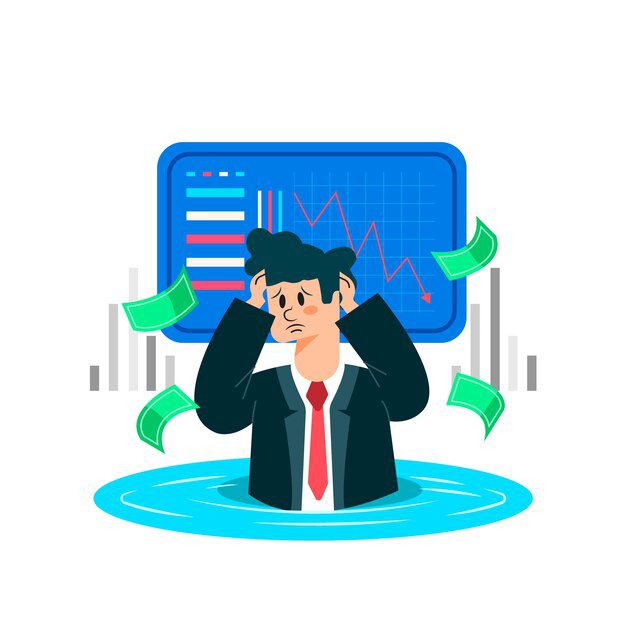
Timing is crucial. Investing in ERP, CRM, or HR systems too early or too late can create significant challenges.
Investing Too Early
- Systems may be underutilized because business processes are not fully defined.
- High upfront costs with limited short-term benefits.
- Employees may resist adoption due to unclear purpose or perceived complexity.
Investing Too Late
- Operational inefficiencies and errors become entrenched, making migration more difficult.
- Lost revenue opportunities due to poor customer management or slow decision-making.
- Employee frustration and low morale caused by manual, error-prone processes.
- Higher costs and complexity when implementing systems under pressure or with outdated legacy software.
By understanding the risks of mistimed investment, leaders can make informed decisions that balance cost, organizational readiness, and long-term growth objectives. Strategic timing ensures that ERP, CRM, and HR systems become powerful enablers of efficiency, scalability, and competitive advantage. PwC
Conclusion
Determining when a business should invest in ERP, CRM, or HR systems is a strategic decision that can significantly impact growth, efficiency, and long-term success. The right timing allows organizations to streamline operations, improve customer engagement, enhance workforce management, and make data-driven decisions.
Key indicators that signal readiness include rapid business growth, operational inefficiencies, poor customer experience, workforce management challenges, and lack of centralized data. Additionally, considerations such as business size, financial readiness, and organizational maturity play a critical role in ensuring that the investment delivers maximum return.
By aligning system adoption with these signals, businesses can avoid costly mistakes, reduce disruption, and ensure that ERP, CRM, and HR systems become true enablers of sustainable growth.