Table of Contents
When a company starts attracting a steady stream of customers, increasing revenue, and expanding day-to-day activities, leaders often feel the immediate pressure of rising demand. In that moment, the simplest solution appears to be hiring more people. However, rapidly expanding a team without building solid internal structure often creates more problems than it solves. It introduces confusion around responsibilities, inconsistent customer experiences, higher payroll obligations, and inefficient workflows that drain both time and money.
For any Growing Business, the ability to scale with intention requires something more foundational than headcount—it requires systems. A Growing Business must have clear operational infrastructure so new hires can step into organized roles within a functioning environment rather than being expected to build the environment as they go. Employees should not have to invent processes, guess at priorities, or struggle to locate information. They should be joining a machine that already works.
Without these foundational systems in place, aGrowing Business often experiences symptoms that look like “people problems” but are actually “process problems.” Teams burn out faster because workloads are uneven and unclear. Deliverables take longer because information is scattered. Costs rise because inefficiencies multiply. Customers become frustrated when communication breaks down or fulfillment lags. In this state, hiring more people does not eliminate the chaos — it simply spreads the chaos to more desks.
However, when a Growing Business invests early in the right systems, everything changes. Work becomes organized instead of improvised. New team members ramp up faster. Decisions become easier because data, ownership, and accountability are clear. Hiring becomes a strategic move aimed at increasing capacity and accelerating opportunity, not a desperate attempt to extinguish operational fires. At this point, a Growing Business transitions from a reactive organization to a scalable one.
This moment — when structure exists, processes function, and people fit smoothly into their roles — is the true inflection point of sustainable growth. It is where a Growing Business evolves into a mature, resilient company capable of scaling without sacrificing quality or profitability.
Below are the five critical systems every Growing Business should build before adding more headcount, so growth becomes a competitive advantage instead of a source of stress.
1. Process & Workflow System
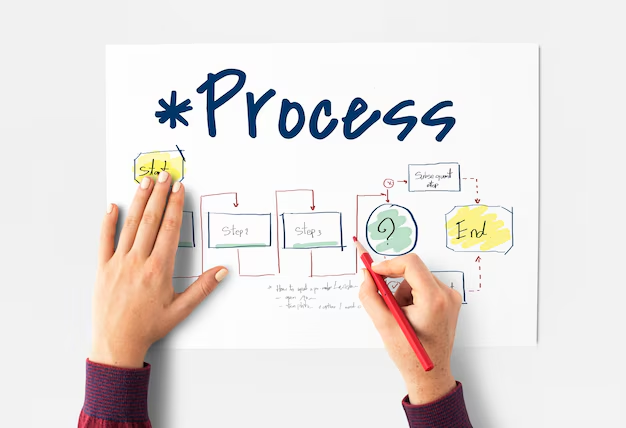
The first and most important system every Growing Business needs before hiring more people is a well-defined process and workflow system. At its core, this system explains how work gets done — not just in theory, but step-by-step in a consistent, repeatable manner. A Growing Business only scales successfully when tasks can be delegated without sacrificing quality, speed, or customer experience, and that can only happen when processes are documented and clear. The Muslim VA
Without standardized workflows, each employee ends up inventing their own way of doing things. While that may work in the very beginning, it eventually creates chaos: results become inconsistent, mistakes multiply, and training becomes slow and frustrating. This is especially damaging for a Growing Business, because growth intensifies the volume of tasks and interactions. If the underlying workflows are messy, growth multiplies the mess.
A strong process system typically includes:
- Standard Operating Procedures (SOPs)
- Checklists for recurring tasks
- Templates for communication and documentation
- Step-by-step fulfillment instructions
- Defined handoffs between departments
- Quality control checkpoints
- Tools and software guidelines
These tools act as the “playbook” for the organization. Instead of relying on memory or guesswork, employees can reference documented instructions that tell them exactly what to do, when to do it, and how to do it correctly.
For example, consider customer onboarding. In a Growing Business, onboarding might involve signing a contract, creating an account, scheduling calls, gathering requirements, and preparing deliverables. If these steps are not mapped out, every new employee will onboard customers differently, leading to errors, delays, and unhappy clients. But if onboarding is documented as a repeatable workflow, any trained team member can execute it smoothly with consistent results.
Another important benefit of process systems is scalability. When a Growing Business eventually hires new people, those employees will learn faster because they can follow structured documentation rather than depending on scattered instructions or tribal knowledge. This shortens training time, protects quality, and reduces burnout for both new and existing workers. Phoenix Strategy
In short, a process and workflow system transforms operational knowledge from something stored inside one person’s head into something stored inside the business itself. This shift is essential for a Growing Business, because it makes execution independent of the founder or a few key employees. When processes are clear, repeatable, and documented, the company becomes easier to manage, easier to scale, and easier to staff intelligently.
Only once this foundation exists should a Growing Business consider hiring for capacity. Otherwise, new hires simply add more bodies to an already disorganized system — which slows down growth instead of accelerating it. Webzeto
2. Communication & Collaboration System

The second essential system every Growing Business must establish before adding more employees is a structured communication and collaboration system. This system defines how information flows through the organization, how teams coordinate their work, and how decisions are shared and documented. It is not just about tools—it is about culture, clarity, and reducing friction.
In the early stages of a company, communication often happens informally. The founder may walk over to someone’s desk, call a quick meeting, or send a short message to make decisions on the fly. While this works temporarily, it does not scale. As a Growing Business expands, more people interact with more projects, more customers, and more data. Without a communication system, information gets lost, duplicated, or trapped in individual inboxes, leading to confusion and costly mistakes. Phoenix Strategy
A strong communication and collaboration system answers questions such as:
- Where do tasks get assigned?
- How are deadlines communicated?
- What qualifies as a meeting versus an email?
- What platform is used for internal messaging?
- Where are files stored and organized?
- How are customer updates tracked and shared?
- How does leadership broadcast priorities?
A Growing Business benefits from defining these rules early, because it prevents disorder later. For example, project updates spread across texts, private chats, and email threads make it impossible for new hires to understand the status of work. Team members waste time searching for documents, asking for updates, or redoing work that already exists. Communication becomes a bottleneck instead of a productivity engine. Webzeto
Collaboration systems also include shared tools. These may involve:
- Project management software (to track tasks)
- Messaging platforms (to streamline quick communication)
- File storage systems (to organize documents)
- Shared calendars (to coordinate schedules)
- Knowledge bases or internal wikis (to capture information)
- Meeting rhythms and reporting structures
But tools alone are not enough. The most successful Growing Business leaders pair tools with communication norms. For example, deciding that:
- Task updates live in the project management system, not in private chats.
- Files are stored in shared drives, not on personal computers.
- Weekly meetings focus on blockers and priorities, not random updates.
- Decisions are documented, not just discussed verbally.
These norms reduce dependency on memory and eliminate the need for constant “status checks” that interrupt deep work.
When communication systems are strong, collaboration becomes faster and smoother. Teams know where to find information, who owns what, and how decisions move through the organization. This clarity prevents duplicated work and reduces frustration, especially as more team members join. It also protects against knowledge loss—if a key employee leaves or takes time off, critical information doesn’t disappear with them.
Ultimately, a communication and collaboration system ensures that a Growing Business operates like a unified organization instead of a disjointed group of individuals. Before hiring additional people, leaders must create a communication environment where new team members can integrate easily without guesswork. When that foundation exists, hiring accelerates progress rather than magnifying disorder. The Muslim VA
3. Finance & Budgeting System
The third critical system every Growing Business needs before expanding its team is a structured finance and budgeting system. Financial clarity is what determines whether hiring is a strategic investment or an expensive mistake. Many companies assume that increased demand automatically means they can afford more people, but reality is more complex. Hiring introduces recurring financial commitments—salaries, taxes, benefits, equipment, software licenses, training, and management overhead. Without solid financial systems, a Growing Business can scale headcount faster than it scales revenue, leading to cash flow strain or even financial instability.
A finance and budgeting system gives leadership visibility into how money enters, moves through, and exits the company. It ensures that decisions are based on real numbers rather than assumptions or optimism. This system typically includes:
- Revenue tracking and forecasting
- Cost and expense categorization
- Profit margin analysis
- Cash flow statements
- Accounts receivable and payable processes
- Invoicing and payment timelines
- Budget planning and performance reviews
- Pricing strategies and adjustments
- Reporting dashboards for leadership
When these elements are in place, a Growing Business gains the ability to answer key questions such as:
- Can we afford to hire right now?
- How much additional revenue is needed to support a new employee?
- Which roles produce revenue versus consume resources?
- Are prices aligned with true delivery costs?
- Where are we losing money due to inefficiency?
- How stable is our cash flow over the next 6–12 months?
Many young companies make the mistake of looking only at sales instead of profitability or cash flow. For example, a business may celebrate hitting new revenue milestones, but if margins are shrinking or payments are delayed, there may not be enough liquid capital to sustain payroll. A Growing Business without financial systems often feels successful on paper while struggling in reality. Phoenix Strategy
Another key role of the financial system is establishing predictable rhythms. Financial rhythms might include recurring invoices, monthly closing reports, quarterly budget reviews, or weekly cash flow checks. These rhythms create financial discipline and help leadership detect problems early before they become crises.
Pricing strategy is another overlooked part of financial structure. If a Growing Business prices too low relative to delivery costs, it may take on clients but still lose money. If pricing is inconsistent, some customers may subsidize others, creating unpredictable margins. When pricing is aligned with actual delivery cost, profit becomes stable and hiring becomes sustainable.
The financial system also plays a crucial role in strategic growth modeling. With proper forecasting tools, a Growing Business can simulate different scenarios—such as hiring a salesperson, expanding a department, or increasing marketing spend—to understand how these decisions impact the bottom line over time.
When a finance and budgeting system is strong, hiring decisions become more intelligent. Instead of reacting to workload stress, leaders hire based on clear financial indicators—profit margins, cash on hand, break-even points, and projected returns. This shifts the company from reactive staffing (“We’re overloaded—hire someone fast!”) to proactive scaling (“We’ve built the margin and forecast to support this role responsibly.”).
In short, a finance and budgeting system protects a Growing Business from scaling recklessly. It ensures that growth does not just feel exciting, but is actually stable, sustainable, and profitable. Before expanding headcount, every Growing Business must first ensure its financial engine is tuned, disciplined, and ready to support long-term success. Webzeto
4. Customer Lifecycle & Experience System
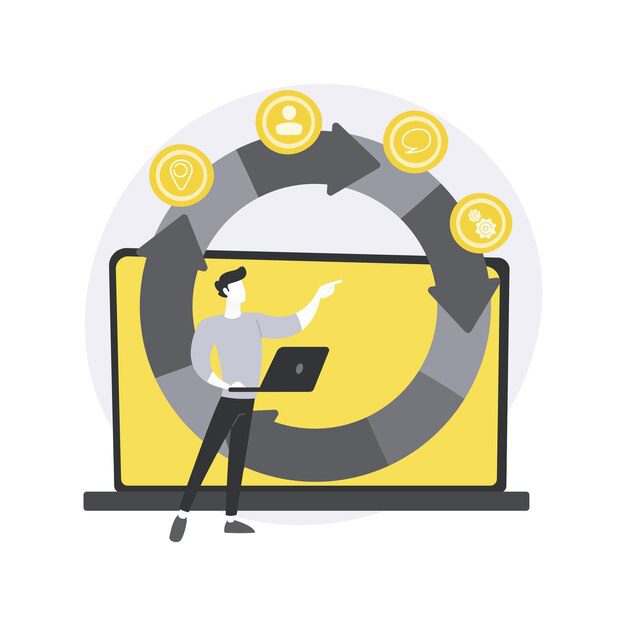
The fourth essential system every Growing Business needs before hiring more team members is a well-defined customer lifecycle and experience system. This system maps out the complete journey a customer takes with the business—from the moment they become aware of the brand, through the buying process, delivery, support, and ideally, renewal or referral. For a Growing Business, this is especially important, because as demand increases, customer interactions multiply. Without a structured experience, growth can quickly lead to inconsistency, frustration, and preventable churn. Phoenix Strategy
Many early-stage companies rely heavily on the founder or a few key employees to manage customers personally. While this feels effective at first, it doesn’t scale. As the customer base expands, different employees engage with customers at different stages—sales, onboarding, support, billing, fulfillment—and unless these interactions are coordinated, the experience becomes fragmented. A Growing Business must prevent this fragmentation by defining how customers move through the organization.
A strong customer lifecycle system typically answers questions such as:
- How do we capture and qualify leads?
- How do we convert prospects into customers?
- How do we onboard new clients smoothly?
- How do we deliver our service or product?
- How do we handle questions, issues, or support requests?
- How do we collect feedback and improve?
- How do we upsell, renew, or encourage referrals?
Each stage may include structured workflows, templates, scripts, or automated touchpoints. This ensures that every customer receives a consistent, reliable experience regardless of who they speak to or how busy the company becomes.
For example, onboarding alone can involve:
- Sending welcome materials
- Setting expectations
- Scheduling meetings
- Collecting documents or requirements
- Assigning internal owners
- Tracking progress
If these steps are not mapped and documented, customers may feel ignored, confused, or disappointed—even if the product is excellent. When lifecycle systems are strong, customers feel supported and confident from day one. Webzeto
Customer experience systems also include tools such as:
- CRM platforms to track interactions
- Help desk or ticketing systems for support
- Feedback surveys and review requests
- Automated reminders and follow-ups
- Customer portals or knowledge bases
- Reporting dashboards for customer health
But tools alone are not enough—there must also be experience standards. For example, a Growing Business may establish:
- Response time expectations for support requests
- Clear communication scripts for sales or onboarding
- Standard timeframes for deliverables
- Clear escalation paths for issues
- Guidelines for tone, professionalism, and follow-through
These standards ensure that customers have a smooth journey instead of an unpredictable one.
One of the biggest advantages of a structured lifecycle system is retention. Acquiring customers is expensive; keeping them is far more profitable. A Growing Business with strong lifecycle systems increases the likelihood of renewals, repeat purchases, cross-sells, and referrals—turning customers into long-term revenue, not one-time transactions. The Muslim VA
Another major benefit is that it protects the brand. As a Growing Business grows, the founder is no longer part of every interaction. A lifecycle system ensures that the essence of the brand—the tone, values, reliability, and professionalism—continues even when responsibilities are distributed across a larger team.
Ultimately, a customer lifecycle and experience system prepares a Growing Business to scale without disappointing the people who matter most: customers. It ensures that adding more volume does not decrease quality. Before hiring more employees, leadership must build this foundation so each customer receives a consistent experience, not a gamble.
5. Performance & Accountability System
The fifth and final critical system every Growing Business needs before hiring more people is a performance and accountability system. While processes, communication, finance, and customer systems define how work should happen, performance and accountability systems ensure that it actually happens. Without this, even the best workflows and tools can fail—because tasks may not get completed, goals may be ignored, and responsibility can become unclear. Webzeto
In a Growing Business, as the team expands, it’s easy for ownership to get lost. Who is responsible for hitting deadlines? Who tracks progress toward goals? Who identifies and escalates problems? Without clarity, accountability becomes inconsistent. The result is a slowdown in execution, frustrated employees, and unhappy customers. Hiring more people in this environment often multiplies the confusion rather than accelerating results.
A performance and accountability system includes:
- Clearly defined roles and responsibilities
- Key performance indicators (KPIs) for each position or department
- Transparent reporting structures
- Dashboards and tracking tools for projects, sales, or operational metrics
- Regular performance reviews or check-ins
- Clear escalation paths for issues or roadblocks
By implementing these structures, a Growing Business creates clarity and alignment. Every employee knows what is expected, how success is measured, and how their work impacts overall business objectives. This reduces micromanagement and allows leadership to focus on strategic growth instead of constant firefighting.
For example, a sales department in a Growing Business may have KPIs like leads contacted per week, conversion rates, or revenue generated. By tracking these metrics and holding individuals accountable, the company ensures that performance drives results, rather than relying on ad-hoc effort or personality-driven outcomes. Similarly, in operations or customer support, metrics like fulfillment speed, error rate, or response time can be monitored to maintain quality and efficiency.
Accountability systems also strengthen team culture. Employees feel motivated when expectations are clear, feedback is structured, and achievements are recognized. Conversely, a lack of accountability leads to frustration, disengagement, and ultimately higher turnover—something a Growing Business cannot afford when scaling. The Muslim VA
Finally, performance and accountability systems make growth predictable. With the right metrics and reporting, leadership can identify bottlenecks, anticipate capacity needs, and determine the optimal timing for hiring. Instead of guessing, a Growing Business can make informed, data-driven decisions about staffing, promotion, and resource allocation.
In essence, a performance and accountability system turns potential chaos into structured execution. For a Growing Business, it is the difference between growing randomly and growing intentionally. With this system in place, adding new employees strengthens the company rather than amplifying confusion, making every hire a strategic step toward sustainable scale. Webzeto
Conclusion
Hiring more people is exciting, but it should never come before building the infrastructure to support them. A Growing Business that invests in the five systems—Process & Workflow, Communication & Collaboration, Finance & Budgeting, Customer Lifecycle & Experience, and Performance & Accountability—sets itself up for controlled, sustainable, and profitable growth.
When these systems are in place, hiring becomes a lever, not a gamble. New employees integrate faster, work is predictable and efficient, customers receive consistent experiences, and leaders can focus on strategy instead of putting out fires. A Growing Business with strong systems scales with confidence, resilience, and long-term success.
The real lesson is simple: build the machine first, then add the operators. Growth becomes sustainable, repeatable, and ultimately, unstoppable.
👉Discover more : The Real Cost of Manual Processes in Growing Companies