Table of Contents
Growing a business is often seen as a key marker of success. The promise of higher revenue, increased market share, and expanded influence is appealing, and for many entrepreneurs and leaders, rapid growth represents the ultimate goal. Watching a company thrive—gaining new clients, entering new markets, and achieving tangible results—can be highly rewarding. Growth signals opportunity, achievement, and financial success.
However, rapid expansion carries hidden risks that are often underestimated. When a company scales too fast, the systems, processes, and structures that once supported a smaller operation may no longer suffice. Teams that worked well in a lean environment can struggle to handle increased demands, and leadership may become stretched, making it difficult to manage operations effectively. Without careful planning, the complexity of rapid growth can quickly spiral out of control.
Scaling too quickly can also strain a company’s culture and workforce. Fast onboarding and changing processes may dilute organizational values, causing disengagement, lower productivity, and higher turnover. Existing teams can experience burnout, mistakes, and morale decline, making it harder to maintain quality. Financial pressures add to the challenge: expanding operations, hiring staff, and investing in infrastructure require significant capital, and if revenue does not keep pace, cash flow problems can emerge.
This article explores what happens inside a business when it scales too fast. From operational and financial pressures to cultural and leadership challenges, we’ll examine the pitfalls of rapid growth and provide practical strategies to help companies expand responsibly, maintaining stability, supporting employees, and ensuring long-term success.
Why Rapid Growth Feels Exciting—but Scales Too Fast

For entrepreneurs and investors, the speed at which a company grows is often seen as the ultimate measure of success. Rapid expansion can be exhilarating: hiring new talent, opening additional locations, increasing production, and capturing a larger share of the market all appear as clear indicators that the business is thriving. When revenue numbers rise sharply and key performance metrics show impressive growth, stakeholders are often quick to celebrate, equating speed with strength, vision, and strategic excellence. McKinsey
Yet, this rapid pace can be deceiving. When a company scales too fast, the visible signs of success can mask a variety of underlying vulnerabilities. While the growth metrics look promising on spreadsheets and investor reports, the internal foundation of the business may be struggling to keep up. Operational processes designed for a smaller organization can falter under higher demands, leadership teams can be stretched beyond their capacity, and employees may face increased pressure to maintain performance without adequate support.
Scaling too fast can create what some experts describe as a “mirage of success.” From the outside, the company appears strong and stable, with growing market influence and expanding revenue streams. Internally, however, cracks may already be forming: miscommunication between teams, inefficient workflows, and gaps in employee training or support can quietly undermine long-term sustainability. In other words, the speed of growth may be giving stakeholders a false sense of security, making them believe that the business is more stable than it truly is. Harvard Business Review
The allure of rapid scaling is powerful, but without careful planning and safeguards, it can be dangerous. Recognizing the difference between healthy, sustainable growth and the risks associated with scaling too fast is critical for any company that wants to expand successfully while maintaining operational stability, employee satisfaction, and long-term profitability.
Learn more : How Unified Business Systems Enable Sustainable Growth
Operational Challenges When a Company Scales Too Fast
One of the first and most noticeable consequences when a company scales too fast is the strain placed on its operational infrastructure. Processes, workflows, and systems that functioned effectively at a smaller scale can quickly become overwhelmed when the pace of growth accelerates. What once was a smooth, manageable operation may start showing signs of inefficiency, mistakes, and bottlenecks, creating a ripple effect that impacts every part of the organization. Inc
When a company scales too fast, customer service teams often feel the pressure first. A sudden increase in client inquiries, orders, or support requests can overwhelm employees who are accustomed to a slower, more predictable pace. Delays, errors, and dropped communication become more frequent, which can directly impact customer satisfaction and loyalty. Similarly, supply chain and production processes can struggle to meet surging demand, causing delays, quality issues, and even reputational damage if customers begin to experience inconsistent service.
Technology and operational systems also face challenges. Software that worked well for a small team may not scale efficiently to handle higher data volumes, more complex workflows, or a larger user base. Manual processes that were manageable in a lean environment can become time-consuming and error-prone when stretched beyond capacity. Without proactive investment in scalable infrastructure, the company risks creating inefficiencies that grow alongside its revenue, eroding profits and operational effectiveness.
Moreover, employees themselves can become a limiting factor. Teams may be forced to take on additional responsibilities without adequate training or resources, leading to burnout, mistakes, and lower morale. When leadership fails to anticipate the operational demands of rapid growth, it often results in reactive problem-solving rather than proactive management.
Ultimately, scaling too fast can turn a previously efficient operation into a fragile system. Companies that do not address operational strain risk undermining the very growth they have worked so hard to achieve. Implementing scalable processes, investing in robust technology, and strategically expanding teams are essential steps to ensure that operational capacity keeps pace with business growth, maintaining quality, efficiency, and customer satisfaction throughout the scaling process. Harvard Business Review
Learn more : What Actually Breaks Inside a Company as It Scales
Financial Risks a Business Faces When It Scales Too Fast
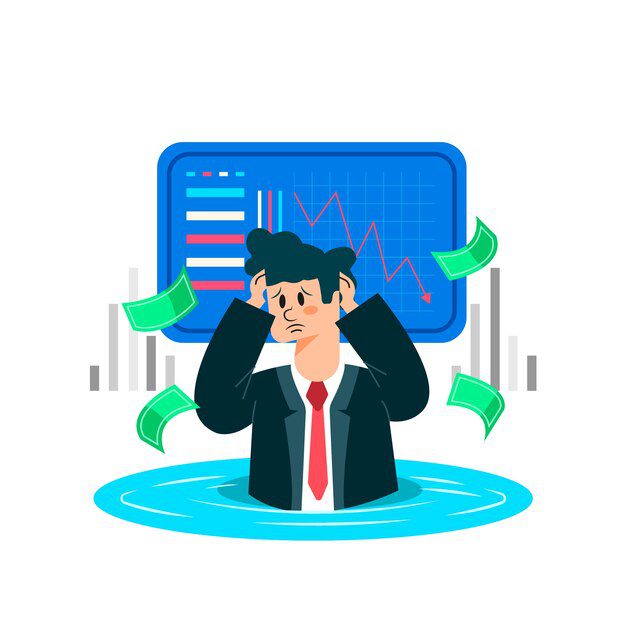
Rapid growth often comes with a hidden financial burden. When a company scales too fast, the expenses associated with expansion—hiring additional staff, increasing inventory, investing in new technology, or opening new offices—can quickly outpace revenue growth. Even businesses that appear profitable on paper may face cash flow challenges if the pace of spending exceeds the organization’s ability to generate income reliably.
One common financial strain occurs in workforce expansion. Hiring new employees is necessary to support growth, but salaries, benefits, onboarding, and training costs add up quickly. When revenue does not immediately reflect these added expenses, businesses can experience budget shortfalls, forcing difficult decisions such as delaying payroll, scaling back projects, or freezing strategic initiatives.
Operational expansion also introduces financial complexity. Increasing production capacity, upgrading equipment, or expanding supply chains requires significant capital investment. If these investments are not carefully planned and timed, a company can find itself over-leveraged—committing resources it cannot yet sustain. For example, a manufacturing company that rapidly scales to meet a sudden surge in demand may incur substantial costs for new machinery and raw materials, only to later discover that demand fluctuates, leaving excess inventory and wasted capital. Harvard Business Review
Moreover, scaling too fast can create hidden costs related to inefficiency. Delayed processes, mismanaged projects, or quality control issues often arise when internal systems are unprepared for expansion. These inefficiencies not only increase operational costs but can also erode profit margins, turning what seemed like rapid success into financial vulnerability.
Financial challenges from scaling too fast are not limited to cash flow alone. Strategic misalignment, overcommitment, and unexpected expenses can jeopardize long-term growth if left unaddressed. To mitigate these risks, businesses must adopt disciplined financial planning, maintain sufficient reserves, and align spending with realistic projections of revenue and operational capacity. By doing so, companies can ensure that rapid expansion strengthens the business rather than putting it at risk of financial instability. Inc
How Company Culture and Teams Suffer When It Scales Too Fast
While operational and financial pressures are immediate concerns, one of the most subtle yet damaging effects of rapid expansion is the impact on company culture and workforce dynamics. When a company scales too fast, maintaining a strong, cohesive culture becomes increasingly difficult. Organizational culture, which develops over time through shared values, behaviors, and rituals, can be quickly diluted when new employees are added at a pace that outstrips the company’s ability to integrate them effectively.
Rapid hiring can introduce a workforce with varied expectations, backgrounds, and work habits. Without deliberate efforts to align new employees with existing company values and processes, miscommunication and misalignment can arise. Teams may struggle to collaborate effectively, informal knowledge transfer may break down, and the shared sense of purpose that once motivated employees can begin to fade. When a company scales too fast, even strong cultures are at risk of fracturing, which can lead to disengagement, reduced productivity, and higher turnover. Harvard Business Review
Pressure on existing employees compounds these challenges. As growth accelerates, employees often face heavier workloads, tighter deadlines, and responsibilities outside their usual scope. Without sufficient support, training, or resources, this pressure can quickly lead to burnout, mistakes, and declining morale. Even top-performing employees may struggle to maintain quality under the stress of rapid expansion.
Leadership teams are also tested during periods of fast growth. Managers who previously had direct oversight over small teams may now be responsible for larger departments or dispersed offices. Communication gaps, decision-making delays, and inconsistent enforcement of policies can emerge. When a company scales too fast, the disconnect between leadership and employees can deepen, eroding trust and engagement across the organization.
Ultimately, cultural and workforce challenges are among the most critical internal risks of scaling too fast. Companies that proactively invest in onboarding, training, employee engagement, and consistent communication are far better positioned to preserve their culture, retain talent, and maintain productivity during periods of rapid growth. A strong, aligned workforce not only supports operational efficiency but also helps ensure that rapid expansion reinforces long-term stability rather than undermining it. McKinsey
Leadership Challenges When a Company Scales Too Fast

As a company grows rapidly, the role of leadership becomes increasingly complex and demanding. When a company scales too fast, leaders who once had direct oversight over a small team or a manageable set of operations suddenly face expanded responsibilities, larger teams, and more complicated decision-making environments. The speed of growth can outpace their ability to respond effectively, putting both short-term performance and long-term strategy at risk.
Rapid scaling introduces layers of operational complexity that require careful coordination and foresight. Leaders may be forced to make high-stakes decisions with incomplete information or under tight deadlines, increasing the likelihood of mistakes. The pressure to maintain performance, satisfy investors, and oversee expanding teams can create a reactive management style, where decisions are made on the fly rather than through strategic planning. This reactive approach can exacerbate operational inefficiencies and contribute to internal stress. Harvard Business Review
Communication is another major challenge. In small organizations, information flows naturally between leadership and employees, allowing for alignment and swift problem-solving. When a company scales too fast, these informal communication channels often break down. Managers may struggle to convey strategy clearly to larger teams, and employees may feel disconnected from leadership. This can lead to confusion, duplicated efforts, and decreased morale, all of which undermine the company’s ability to operate cohesively during growth.
Additionally, the reliance on a few key executives often becomes a bottleneck. Decision-making concentrated in a small leadership team can slow down response times and create vulnerability if leaders are unavailable or overwhelmed. Scaling too fast without building robust leadership pipelines can result in a lack of delegation, overworked executives, and stalled initiatives.
To navigate these challenges, companies must invest in developing strong leadership at multiple levels. Delegating responsibilities, establishing clear communication structures, and providing leaders with the tools and resources to make informed decisions are essential steps. When a company scales too fast, proactive leadership development not only supports day-to-day operations but also ensures strategic growth remains sustainable and aligned with long-term objectives. McKinsey
Maintaining Quality When a Business Scales Too Fast
One of the most critical risks a business faces when it grows rapidly is the potential decline in product or service quality. When a company scales too fast, the pressure to meet growing demand can overwhelm existing production processes, quality control measures, and service standards. Even businesses with previously impeccable reputations can see a noticeable drop in consistency and performance if they fail to adapt systems to support expansion. McKinsey
For manufacturing companies, rapid scaling often means increasing production volumes at a pace that outstrips equipment capacity or workforce expertise. Without careful planning, this can lead to defects, delays, or substandard products reaching customers. In service-based industries, scaling too fast may result in overextended staff, rushed client interactions, and inconsistent service delivery. The impact of such quality lapses is immediate: customer complaints rise, brand reputation suffers, and loyalty begins to erode.
The challenge is often compounded by insufficient training and onboarding. New employees brought on during rapid growth may not receive the comprehensive training necessary to maintain existing standards. Processes that worked well with a smaller, experienced team may become inefficient or error-prone when scaled without modification. Even minor inconsistencies, when multiplied across a larger operation, can result in significant quality issues. Harvard Business Review
Moreover, the focus on growth metrics—revenue, market share, and expansion—can sometimes overshadow the importance of maintaining quality. When leadership prioritizes speed over standards, employees may feel pressured to cut corners to meet demand, inadvertently undermining the company’s long-term credibility.
To prevent quality erosion, businesses that scale too fast must implement robust quality control measures, invest in training and support, and ensure that growth strategies include capacity-building initiatives. By aligning expansion with rigorous quality standards, companies can maintain customer satisfaction, protect their brand reputation, and ensure that rapid growth translates into lasting success rather than short-term gains accompanied by long-term problems. Inc
Customer Experience Risks When a Company Scales Too Fast
Customer experience is one of the first areas to show strain when a company scales too fast. As businesses expand rapidly, maintaining the level of service and attention that initially earned customer loyalty becomes increasingly challenging. Systems, processes, and teams that once provided consistent, personalized interactions may struggle to keep up with a growing customer base, leading to frustration, dissatisfaction, and attrition.
When a company scales too fast, response times often increase. Customer inquiries, complaints, and support requests can pile up faster than teams can manage, leaving clients waiting for assistance or receiving inconsistent information. Even minor delays or errors can significantly impact perception, especially in highly competitive industries where customers have many alternatives.
Consistency is another critical issue. Rapid expansion can result in uneven service quality across regions, product lines, or service channels. A customer who previously received exceptional service may encounter mistakes or delays in a new market or with a recently launched product. Such inconsistencies can damage trust, as clients begin to feel uncertain about what to expect from the brand. McKinsey
Additionally, the personal touch that often characterizes successful businesses can be lost when a company scales too fast. Employees who once had time and resources to build strong relationships with clients may now be forced to focus on volume and efficiency. Automated systems, while helpful in managing growth, cannot fully replace human interaction and empathy, which are often key drivers of customer satisfaction and loyalty.
To safeguard the customer experience, companies must anticipate the impact of rapid growth on service delivery. Investing in scalable customer support systems, training teams to handle higher demand, and maintaining clear communication channels are essential strategies. By proactively managing these challenges, businesses can ensure that scaling too fast does not compromise the very relationships and reputation that fuel their growth.
How Innovation Slows When a Business Scales Too Fast
Rapid growth can ironically reduce a company’s capacity to innovate and respond to change. When a company scales too fast, the processes and structures designed to manage expansion often become rigid, leaving little room for experimentation, creativity, or agile decision-making. The very flexibility that allowed a smaller organization to innovate can be lost under the weight of increased complexity.
As businesses expand, employees are often consumed with executing established procedures, meeting deadlines, and maintaining service or product quality. This focus on operational efficiency, while necessary to support growth, can crowd out time and resources for research, development, and creative problem-solving. Teams may be hesitant to propose new ideas or challenge existing workflows, fearing disruption or additional workload. Consequently, when a company scales too fast, innovation pipelines can stall, and the organization may struggle to stay ahead of competitors. Harvard Business Review
Decision-making agility also suffers. In smaller organizations, leaders can pivot quickly, responding to market feedback or emerging trends with minimal bureaucracy. Rapid scaling, however, introduces multiple layers of management, more complex reporting structures, and broader stakeholder expectations. These changes can slow down critical decisions and reduce responsiveness. A company that once adapted seamlessly to market shifts may find itself bogged down by slow approvals, misaligned priorities, and risk-averse behaviors.
Furthermore, the pressure to maintain consistent performance can suppress experimentation. Employees may focus on “doing what works” rather than exploring innovative approaches, as the margin for error shrinks under the scrutiny of rapid growth. Over time, this can erode the company’s competitive edge, leaving it vulnerable to more agile competitors. McKinsey
To preserve innovation and agility while expanding, companies must intentionally create spaces for creativity, encourage experimentation, and maintain flexible structures. By doing so, businesses can ensure that scaling too fast does not compromise their ability to adapt, innovate, and continue evolving in dynamic markets.
Burnout and Retention Issues When a Company Scales Too Fast
Rapid growth can take a significant toll on employees, and when a company scales too fast, the human cost often becomes one of the most pressing internal challenges. As organizations expand, workloads increase, responsibilities multiply, and employees may be required to take on tasks outside their usual roles. Without adequate support, training, and resources, this heightened pressure can lead to stress, fatigue, and ultimately, burnout.
Burnout not only affects individual well-being but also has direct consequences on productivity, quality, and morale. Employees under sustained pressure are more prone to mistakes, slower performance, and disengagement. High-performing team members who feel overworked may leave for opportunities offering better balance or more structured growth, creating a retention problem that can destabilize operations and increase recruitment costs. When a company scales too fast, the pace of hiring new employees often cannot keep up with the turnover caused by burnout, compounding workforce challenges. McKinsey
Moreover, rapid expansion can strain management structures. Supervisors and team leads may struggle to monitor, support, and motivate a growing team effectively. Communication gaps can develop, leaving employees feeling disconnected from leadership and uncertain about expectations or priorities. The lack of clarity, coupled with heightened workload, can exacerbate stress and disengagement.
To mitigate burnout and protect retention during periods of rapid growth, companies must proactively prioritize employee well-being. Strategies include implementing manageable workloads, offering training and development opportunities, providing mental health resources, and maintaining open communication channels. By fostering a supportive culture, businesses can ensure that employees remain motivated, engaged, and capable of sustaining performance, even as the company scales.
Ultimately, when a company scales too fast without addressing workforce challenges, it risks undermining the very team that drives its growth. Protecting employees is essential not only for morale but also for long-term operational success and sustainable expansion. Inc
Strategies to Avoid Risks When Your Company Scales Too Fast
While scaling a business rapidly offers significant opportunities, it also introduces risks that can destabilize operations, culture, and financial health. When a company scales too fast, proactive strategies are essential to ensure that growth is sustainable, controlled, and aligned with long-term goals. By implementing deliberate planning, strong processes, and supportive systems, organizations can turn rapid expansion into a source of lasting success. Harvard Business Review
1. Strengthen Operational Infrastructure
The first step in managing rapid growth is ensuring that operational systems can support increased demand. This includes investing in scalable technology, streamlining workflows, and standardizing procedures. By creating processes that can handle higher volumes of work, companies reduce bottlenecks, errors, and inefficiencies that often arise when a business scales too fast. Inc
2. Maintain Financial Discipline
Financial oversight is critical during rapid expansion. Businesses should closely monitor cash flow, align expenses with realistic revenue projections, and build reserves to cover unexpected costs. Implementing robust budgeting, forecasting, and reporting systems helps prevent financial strain and allows the company to make informed investment decisions as it grows.
3. Preserve Company Culture
As new employees join, maintaining a cohesive culture becomes essential. Companies that scale too fast should prioritize onboarding, mentorship, and communication of core values. Encouraging engagement, recognition, and collaboration helps preserve the organizational identity, ensuring employees remain motivated and aligned with the company’s mission.
4. Develop Leadership and Delegation
Leadership must evolve to match the pace of growth. Expanding teams require empowered managers, clear decision-making frameworks, and effective communication channels. By training leaders and delegating authority appropriately, companies prevent bottlenecks and maintain agility even as operations become more complex. McKinsey
5. Prioritize Quality and Customer Experience
Maintaining high product or service standards is essential. Companies should invest in quality control systems, monitor customer feedback closely, and ensure that rapid scaling does not compromise the customer experience. Delivering consistent, high-quality results reinforces trust and supports long-term growth.
6. Support Employee Well-being
Employee burnout can undermine even the most ambitious expansion plans. Providing training, clear expectations, mental health resources, and manageable workloads helps retain top talent and keeps teams productive. A company that scales too fast but neglects employee well-being risks losing the very workforce that drives its success. Inc
7. Foster Innovation and Agility
Finally, businesses must maintain flexibility to adapt to changing markets. Encouraging experimentation, creative problem-solving, and cross-functional collaboration ensures that the company continues to innovate, even under the pressures of rapid growth.
By implementing these strategies, companies can navigate the challenges of scaling too fast while preserving stability, sustaining performance, and ensuring long-term success. Growth becomes a deliberate, managed process rather than a risky leap into uncertainty.
Conclusion
Scaling a business is an exciting milestone, representing growth, opportunity, and market influence. However, the journey of rapid expansion is not without its challenges. When a company scales too fast, the pressures on operations, finances, culture, leadership, and employees can accumulate quickly, creating risks that may undermine the very success the organization is striving to achieve.
Operational bottlenecks, strained resources, and inefficient processes can reduce productivity and slow progress. Financial pressures, including cash flow constraints and overextended budgets, can destabilize even profitable companies. At the same time, culture and employee well-being are often challenged as teams grow faster than onboarding, training, and engagement strategies can keep up. Leadership teams may struggle with decision-making, communication, and delegation, while innovation and agility can be stifled under the weight of complex structures. Product quality and customer experience may suffer, jeopardizing reputation and loyalty, and employee burnout can threaten retention of the talent critical to sustaining growth. Harvard Business Review
Despite these risks, scaling too fast does not have to lead to failure. Companies that approach growth strategically can navigate these challenges successfully. Investing in scalable operations, maintaining financial discipline, preserving culture, developing leadership, prioritizing quality, supporting employees, and fostering innovation are all essential strategies. When implemented effectively, these measures allow businesses to expand rapidly without sacrificing stability, performance, or long-term success.
Ultimately, sustainable growth requires a balance between ambition and careful planning. By understanding what happens inside a company when it scales too fast, leaders can anticipate pitfalls, mitigate risks, and create a foundation that not only supports rapid expansion but also ensures resilience, adaptability, and continued achievement for years to come. Growth becomes not just a metric of success, but a well-managed journey toward enduring impact.